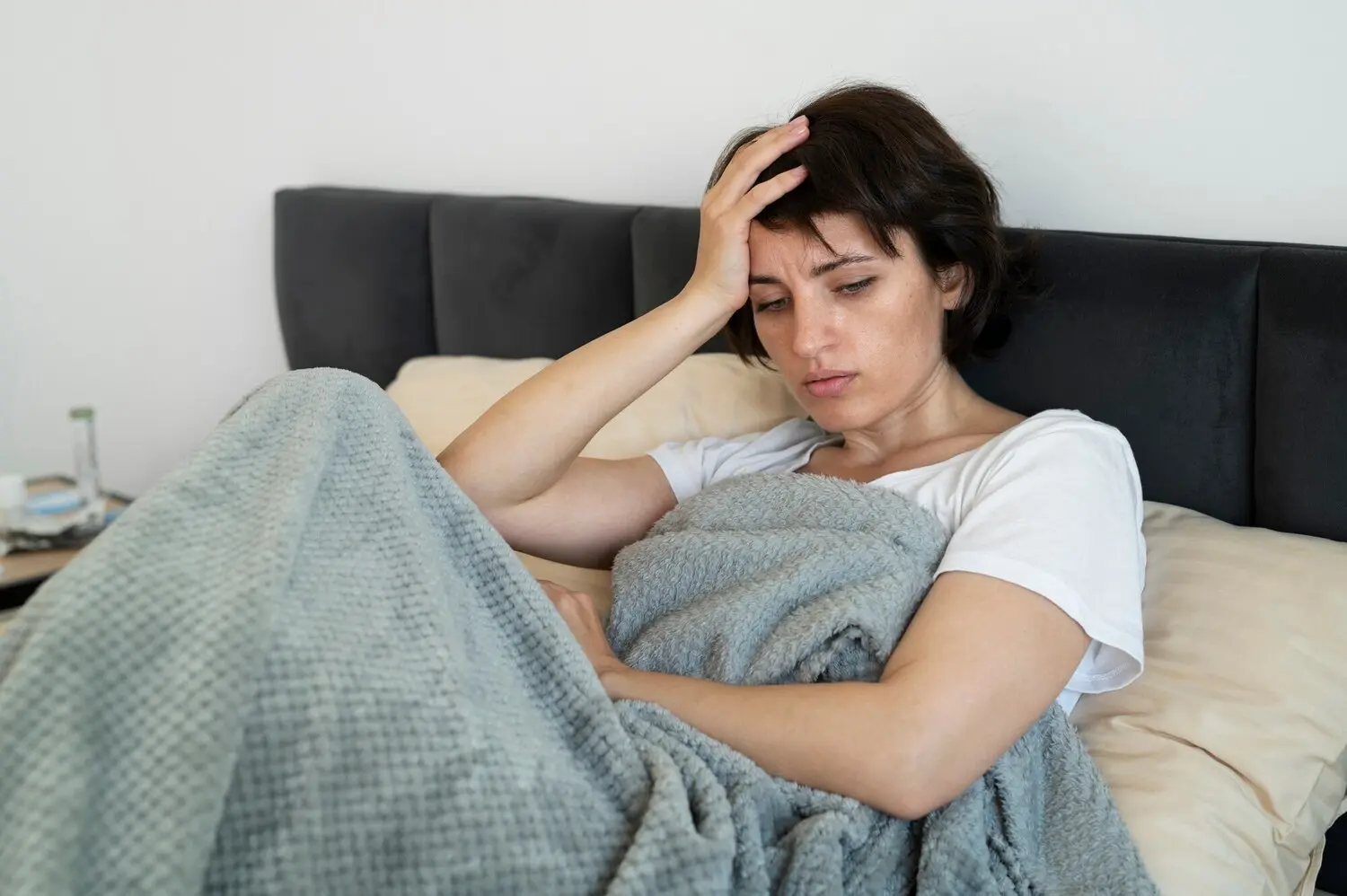


The first time you see a detox care plan, the medication list can read like a foreign language. One name sounds familiar from the news, another sounds like a blood pressure pill, and one is just a vitamin. It is natural to wonder why each is there.
This guide walks through the medications most often used during detox, organized by substance, so you know what each one is for and what to ask. It is education, not a treatment plan. The right medication for any one person is decided by a medical team after a full assessment, and some people need very little medication at all.
If you are still deciding whether medication belongs in detox in the first place, start with our detoxification page, which explains how medical care supports withdrawal. This post picks up where that one leaves off.

Why the Medication Depends on the Substance
Each substance changes the brain in its own way, so withdrawal looks different and so does the treatment. Alcohol and benzodiazepines slow the nervous system down, and when they stop, the system can swing into overdrive. Opioids act on a different set of receptors, and their withdrawal brings aches, sweating, and stomach upset.
Stimulants like cocaine and meth tend to cause exhaustion, low mood, and heavy sleep more than dangerous physical symptoms. That is why there is no single "detox drug." A good medical team matches the medication to the substance, how long and how heavily it was used, and the person's overall health.
Medications for Alcohol Withdrawal
Benzodiazepines. The ASAM guideline on alcohol withdrawal management names benzodiazepines as the first-line medication for alcohol withdrawal, meaning they are usually the first choice. They calm an overactive nervous system and have strong evidence for lowering the risk of withdrawal seizures and delirium tremens (DTs), a severe form of alcohol withdrawal. The amount is adjusted to your symptoms and reduced as the body settles.
Alternatives. The same guideline describes carbamazepine and gabapentin as options for some people with mild to moderate withdrawal, especially when benzodiazepines are not a good fit. Phenobarbital is another option, used in closely monitored settings by experienced prescribers.
Thiamine (vitamin B1). Long-term heavy drinking can drain the body's thiamine. A severe shortage can lead to Wernicke encephalopathy, a serious brain disorder, so ASAM recommends thiamine as part of alcohol withdrawal care.
To understand what the days themselves feel like, read What Happens During Alcohol Detox or visit our alcohol detox page.
Medications for Opioid and Fentanyl Withdrawal
Opioid withdrawal is rarely life-threatening on its own, but it is miserable enough that many people leave detox early just to make it stop. Medication is a big part of helping people stay.
Buprenorphine. A partial opioid agonist, which means it acts on the same receptors as other opioids but only partway. That is how it eases withdrawal and cravings. It is one of three FDA-approved medications for opioid use disorder covered in SAMHSA's TIP 63: Medications for Opioid Use Disorder. With fentanyl, timing matters. Fentanyl can linger in the body, and starting buprenorphine too soon can set off sudden, intense symptoms called precipitated withdrawal, so prescribers may wait longer or start with very small doses and build up.
Methadone. A full opioid agonist, which means it fully activates those same receptors, and it relieves withdrawal symptoms. It is tightly regulated under federal rules, so whether it is available depends on the setting.
Lofexidine and clonidine. These are not opioids. In 2018 the FDA approved lofexidine as the first non-opioid medication for managing opioid withdrawal symptoms. It can lessen symptoms but may not prevent them completely. Clonidine, a related blood pressure medication, is used off-label (for a purpose other than the one it was approved for) in a similar way. Both call for regular blood pressure checks.
See our fentanyl detox and heroin detox pages for timelines.
Medications for Benzodiazepine Withdrawal
With drugs like Xanax or Valium, the main tool is usually a gradual taper rather than a new drug. The FDA's boxed warning for benzodiazepines states that stopping suddenly or cutting the dose too fast can cause withdrawal reactions, including seizures, that can be life-threatening.
A 2025 joint guideline on benzodiazepine tapering calls for a plan tailored to each person and slowed down when withdrawal is hard. Because a full taper can take longer than a detox stay, ask how it will continue after discharge. Our prescription detox page explains more.
Comfort Medications for Symptoms
Across every substance, care teams often treat individual symptoms as they appear. That can include medicine for nausea and vomiting, diarrhea, headaches and muscle aches, and trouble sleeping, along with fluids and nutrition. These choices depend on the person's health and every other medication they take.
For cocaine and meth, there is currently no FDA-approved medication for withdrawal. Care centers on rest, nutrition, monitoring, symptom relief, and emotional support.
Medications You May Hear About After Detox
Some medications are for the weeks and months after detox, not withdrawal itself. Naltrexone, for example, is used for alcohol or opioid use disorder, but MedlinePlus notes it does not relieve withdrawal and can bring it on if opioids are still in the body.
One more point for families: after opioid detox, tolerance drops, and a much smaller amount than before can cause an overdose. Ask the care team about naloxone and a plan for continued care before discharge. Our after detox care tips cover more of what that plan can include.
Questions to Ask the Detox Team
- Which medications are planned, and what is each one for?
- How will you decide when to adjust or stop them?
- What side effects should we watch for?
- Does the plan account for other prescriptions, health conditions, or pregnancy?
- If fentanyl is involved, how will you time buprenorphine?
- Will any medication continue after discharge, and who will prescribe it?
- Should our family keep naloxone at home?
Be fully honest at intake about every substance, the amounts, and the last use. The medical team can only plan around what it knows. And please do not try to manage withdrawal with leftover prescriptions or pills from someone else. The same medications that make detox safer can be dangerous without round-the-clock monitoring.
How Medication Fits Into Detox at Rose City Detox
At Rose City Detox in Portland, care is personalized, private, and compassionate, with round-the-clock support and medically monitored detox as our focus. Every patient starts with a full medical and psychological assessment, and our medical team uses medication as needed based on what that assessment shows. There is no one-size regimen, because no two withdrawals are the same.
You can ask about medications on your very first call. We accept most Oregon Health Plan (OHP) plans, and our verification team can walk you through cost and coverage before you decide anything. Learn how admissions works, or reach out to us and take the first step toward lasting recovery.