.png)


When you're weighing detox facilities, a private room can look like a premium add-on, the kind of thing that costs more and sounds nice but probably doesn't change what actually happens to your body. That assumption is worth questioning. Because what happens to your nervous system during withdrawal is deeply sensitive to its environment, and the difference between a shared ward and a private room isn't just about comfort.
This isn't about luxury. It's about what your brain and body need during one of the most demanding weeks of your life.
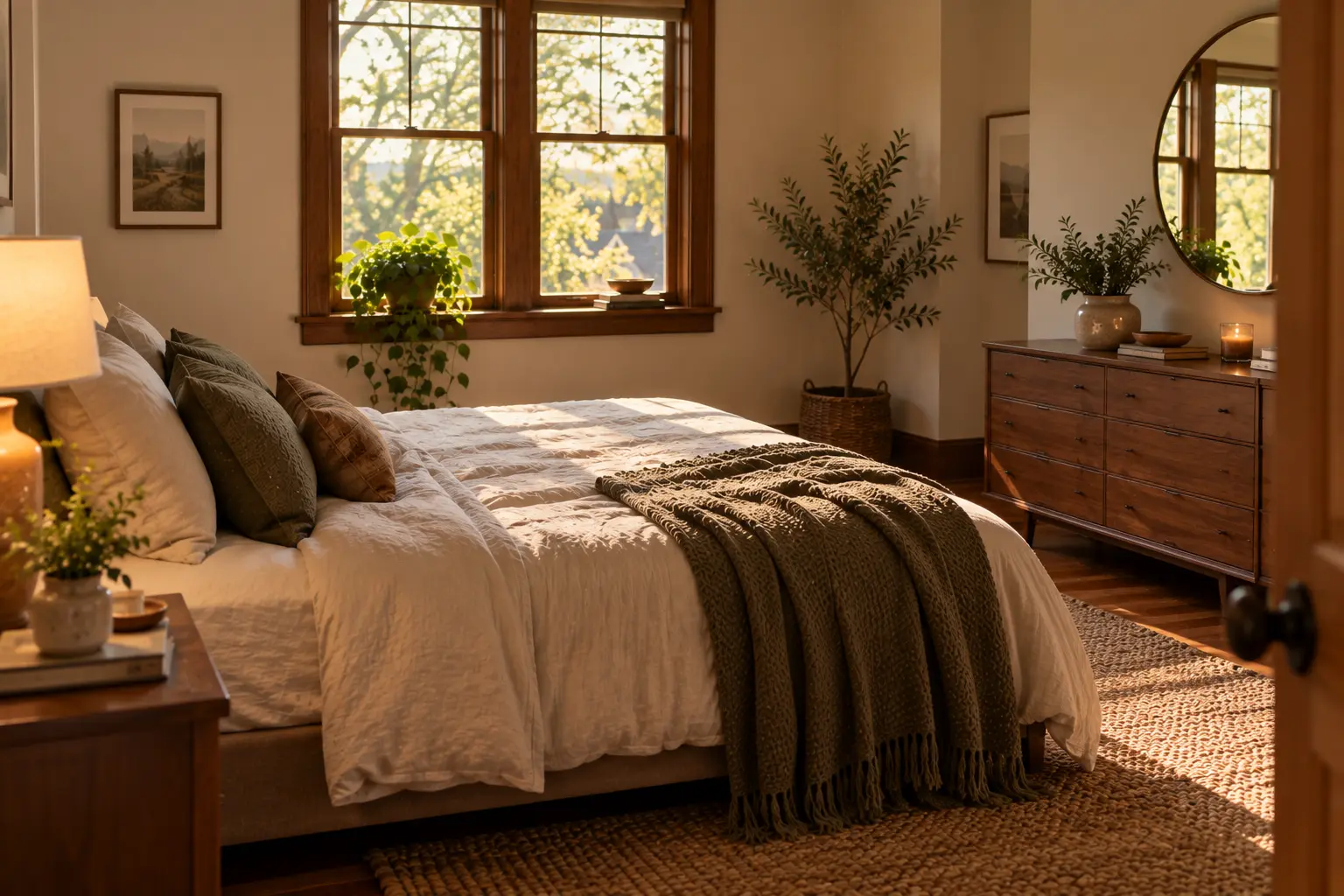
Why Your Environment Matters During Withdrawal
Withdrawal is a physiological event, not just an emotional one. Your nervous system, already destabilized by dependence, is trying to recalibrate, and it's doing that work around the clock. Cortisol, the body's primary stress hormone, is frequently dysregulated during withdrawal, particularly in the first 72 hours when symptoms tend to peak.
Environmental stressors compound that dysregulation. Noise, lack of sleep, unfamiliar people moving through your space, these aren't minor inconveniences during withdrawal. They are signals your nervous system interprets as threats, and a threatened nervous system doesn't stabilize. It stays in a heightened state that makes symptoms harder to manage and the entire detox process more taxing.
Research from NIDA on the neurobiology of addiction and withdrawal consistently points to stress as one of the most significant triggers for both withdrawal complications and early relapse. Reducing environmental stressors during detox isn't a nicety. It's a clinical consideration.
What Poor Sleep During Detox Actually Costs You
Sleep disruption is one of the most common and least discussed withdrawal symptoms across substances, including alcohol, opioids, and stimulants. Your brain's sleep architecture gets restructured during active addiction, and the rebound during detox is often severe, including insomnia, fragmented sleep, and vivid or distressing dreams.
Poor sleep during early withdrawal significantly increases relapse risk in the weeks that follow. Sleep and recovery research published by the National Institutes of Health has linked disrupted sleep in early recovery to heightened craving intensity and reduced impulse control. A private room gives your body its best shot at sleep, no other person's schedule, sounds, or distress pulling you out of the rest you need.
In a shared room, your sleep depends on everyone else in that room. In a private room, it depends on you and your care team. That's a meaningful difference when you're asking whether the space you're healing in is actually set up for you to heal.
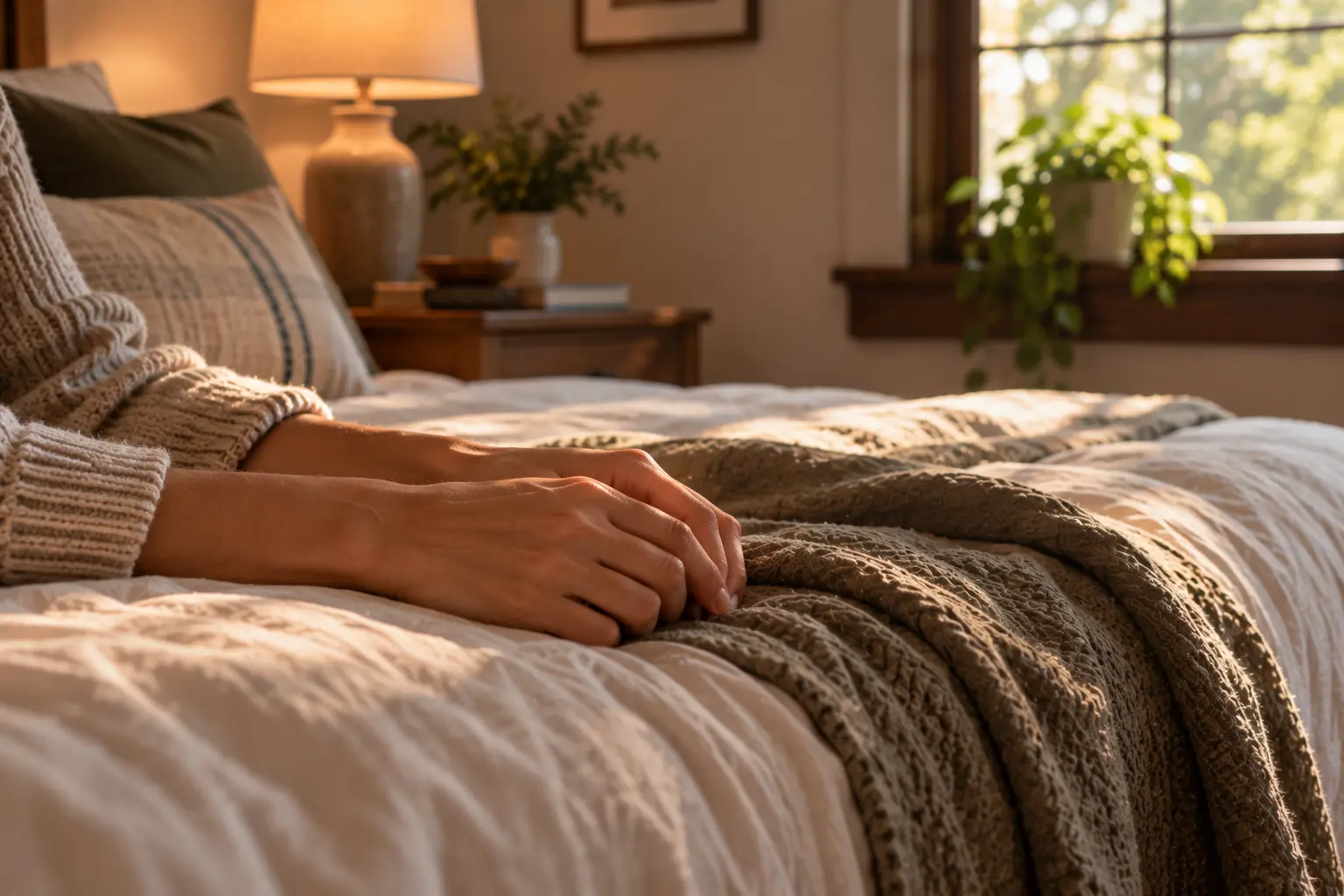
Privacy as a Clinical Variable, Not Just a Preference
If you came into detox carrying shame, most people do, sharing a room with strangers at your most physically and emotionally exposed isn't neutral. It's an active stressor. And stress during withdrawal has real physiological consequences, not just psychological ones.
A private room lets you cry without an audience. It lets you be sick without performance. It lets you sleep when you need to sleep and rest without managing anyone else's presence. These aren't soft benefits. They're the conditions under which your nervous system can actually do the work it needs to do. Read more about what the detoxification process looks like and why environment is part of the care plan, not separate from it.
The people who thrive in detox are usually the ones who feel safe enough to let their guard down, and that's almost impossible to do in a space you share with strangers.
What to Look for in a Private Detox Setting
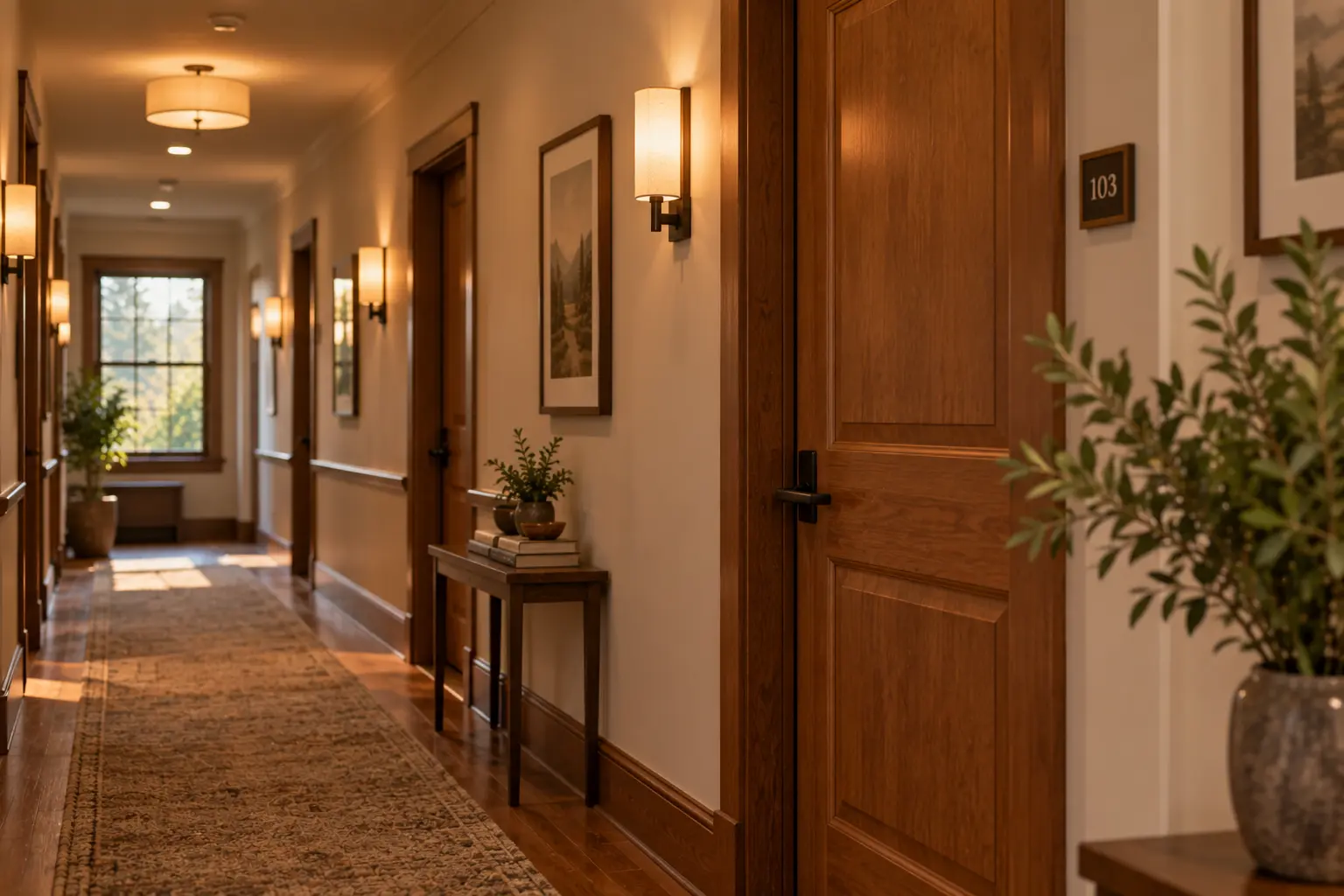
Not all private rooms are created equal. Some facilities offer private rooms in otherwise institutional settings, long corridors, impersonal lighting, shared bathrooms down the hall. The room label matters less than the overall environment and the staff-to-patient ratio supporting it.
What you're looking for is a combination of physical privacy, attentive care, and a calm atmosphere that doesn't feel like a hospital wing. At Rose City Detox, every patient has their own room in a setting designed to feel quiet and supportive, not sterile. Our small team means the ratio of staff to patients is high, and that's intentional. Personalized attention during detox isn't a bonus offering. It's the whole point. You can check out our gallery to get a sense of the environment before you ever make a call.
Couples who are detoxing together can also be accommodated, which is something most facilities can't offer. Visit our admissions page to understand how the intake process works and what to expect from day one.
So Is a Private Detox Room Worth It?
Yes, with one important distinction: the room itself isn't what makes detox effective. The room is the container. What fills it matters too: the clinical expertise of the staff monitoring you around the clock, the evidence-based protocols managing your symptoms, the case management support helping you plan what comes next. Privacy enables everything else to work better. It removes stressors that would otherwise compete with your body's ability to stabilize.
If you're comparing facilities and weighing whether a private program is worth the difference, the honest answer is that withdrawal is already hard enough. You don't need to make it harder by healing in an environment that wasn't built for you.
SAMHSA's treatment locator and guidance on withdrawal management is a good resource if you're still in early research mode. And if you want to see what Rose City Detox patients say about their experience, read our client reviews on Google before you make any decisions. We'd rather you feel confident about where you're going than rushed into a call.
If you're ready to take the next step, Rose City Detox is here to help. Contact us today to get started.
.webp)

.webp)
.webp)